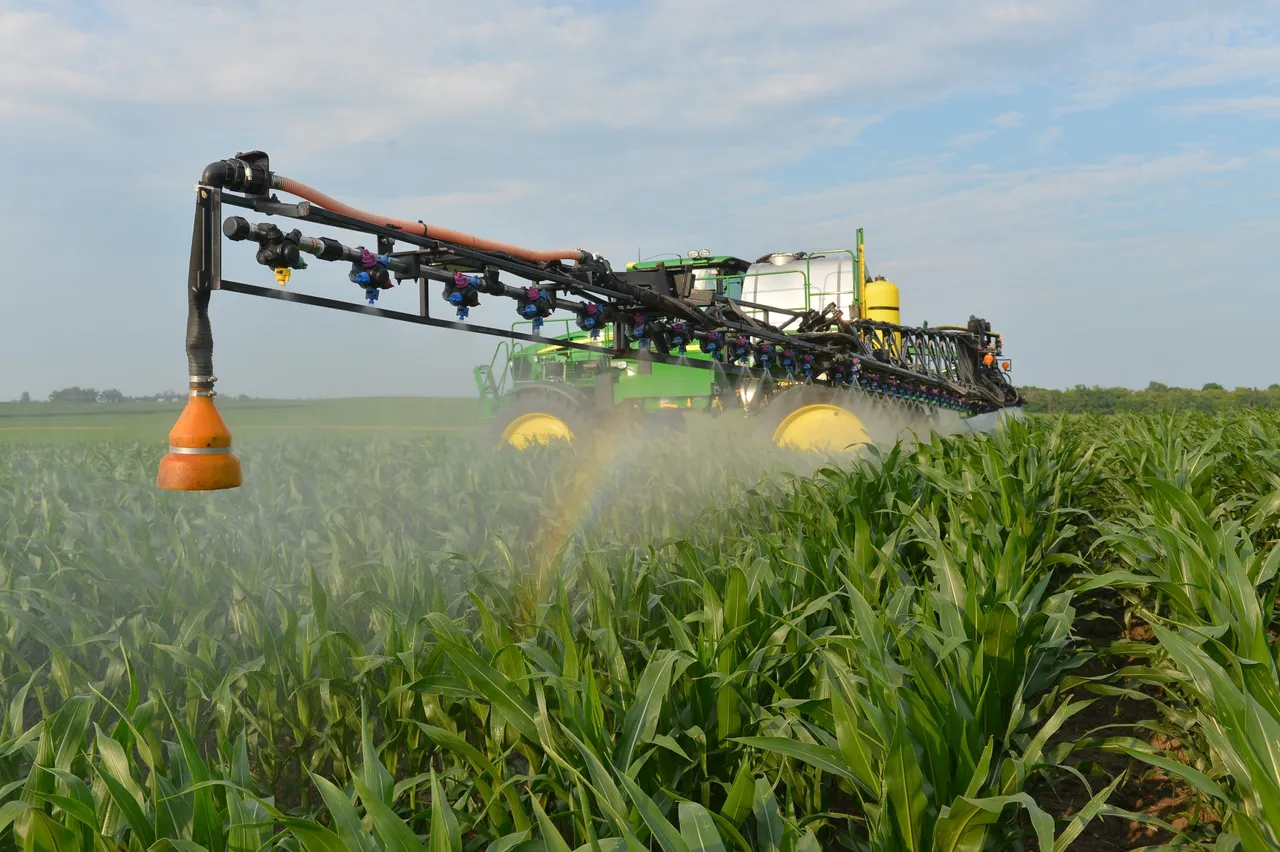
Betametacron – Smarter Broadleaf Weed Control for Modern Farming
We all know how frustrating weeds can be. One season of neglect and suddenly our fields are crowded with broadleaf invaders that steal nutrients, light, and space from the crops we work so hard to grow. That is exactly where Betametacron comes into the picture. It is a selective herbicide from the phenylcarbamate class, mainly used to control broadleaf weeds while leaving our crops healthy and productive.
In this guide, we are going to talk about Betametacron in simple language. No robotic tone, no confusing chemical talk. Just real information we can use in everyday farming decisions.
Why Broadleaf Weeds Are Such a Big Problem
Broadleaf weeds are not just ugly. They compete directly with crops for water, nitrogen, phosphorus, and sunlight. Some of them also host pests and diseases that later move into our crops.
Common issues we face with uncontrolled broadleaf weeds include:
- Lower crop yields
- Uneven crop stands
- Higher harvesting costs
- Increased disease and insect pressure
- Long-term seed bank buildup in soil
We do not want to fight the same weeds year after year. Betametacron helps us break that cycle.
How Betametacron Works in the Field
Betametacron interferes with the growth process of broadleaf weeds at a very early stage. It blocks certain metabolic pathways that weeds rely on to develop healthy leaves and roots. When applied correctly, the weeds either fail to emerge or die shortly after sprouting.
What makes Betametacron special is its selectivity. It is designed to affect weed species while staying gentle on many common crops, especially cereals and grass-type plants.
This selective action gives us clean fields without burning or stunting our crop stand.
Crops That Benefit the Most
We commonly use Betametacron in crops where broadleaf weeds are the biggest yield killers. These include:
- Wheat
- Barley
- Oats
- Rye
- Certain forage grasses
- Some legume systems when labeled
Because every formulation and label is different, we always check compatibility before spraying, but in cereal systems it is a strong ally.
Best Time to Apply Betametacron
Timing decides success or failure.
We normally apply Betametacron in two main ways:
Pre-emergence
We spray it after sowing but before weeds emerge. This creates a protective layer in the soil that stops weed seedlings from developing.
Early post-emergence
We spray when weeds are small, usually in the 2 to 4 leaf stage. At this stage they are still weak and highly sensitive.
Late applications do not give the same control and may waste both money and effort.
Application Tips for Best Results
We get the best results when we follow a few practical rules:
- Apply on moist soil or just before light irrigation or rain
- Avoid spraying before heavy rainfall that could wash the product away
- Use clean water and calibrated sprayers
- Maintain uniform coverage across the field
- Spray when wind is low to prevent drift
Good application technique is just as important as the product itself.
What Weeds Does Betametacron Control
Betametacron is especially strong against common broadleaf weeds such as:
- Pigweed
- Mustard species
- Lamb’s quarters
- Chickweed
- Field bindweed seedlings
- Shepherd’s purse
- Purslane
The exact weed spectrum may vary, but overall it covers most troublesome early-season broadleaf weeds.
Advantages of Using Betametacron
There are many reasons why we choose Betametacron in our weed management plans.
Selective control
It spares our crops while attacking weeds, which means less stress on plants and better final yield.
Early-stage action
It works when weeds are weakest, saving us from dealing with large established plants later.
Improves crop competition
By removing weeds early, our crops get a clean start and dominate the field.
Reduces labor and mechanical weeding
Fewer weeds mean fewer passes with tools and machines.
Supports integrated weed management
It fits easily into rotation programs with other herbicides.
Safety and Handling
Like all herbicides, Betametacron must be handled responsibly.
We always:
- Wear gloves, long sleeves, and eye protection
- Avoid spraying near water sources
- Store it in original containers away from children and animals
- Wash equipment after use
- Follow label rates and instructions strictly
Safe handling protects us, our families, and our fields.
Environmental Impact and Soil Health
When used correctly, Betametacron has minimal impact on soil health and beneficial organisms. It breaks down over time and does not stay active for multiple seasons.
This means we can rotate crops without worrying about long-term residue effects. That is a huge benefit for sustainable farming.
Resistance Management
One of the biggest mistakes we can make is using the same herbicide year after year. Weeds adapt faster than we think.
To prevent resistance, we:
- Rotate Betametacron with herbicides from other chemical classes
- Use tank mixes when recommended
- Combine chemical control with mechanical methods
- Keep our fields clean to reduce weed seed banks
Smart rotation today saves us major headaches tomorrow.
Betametacron in Integrated Weed Control
We never rely on just one tool. Betametacron works best as part of a bigger plan that includes:
- Crop rotation
- Clean seed usage
- Field sanitation
- Proper irrigation scheduling
- Balanced fertilization
- Timely mechanical cultivation when needed
When everything works together, weeds lose their advantage.
Economic Benefits
Weeds cost us money in many hidden ways. Yield loss is only one part of the story. We also spend on extra fuel, labor, and equipment wear.
By using Betametacron early in the season, we:
- Save on later weed control operations
- Increase crop stand uniformity
- Improve harvesting efficiency
- Achieve better grain quality
In the long run, it often pays for itself.
Common Mistakes to Avoid
We have all made mistakes in the field. Here are a few we must avoid with Betametacron:
- Spraying too late when weeds are already mature
- Using incorrect dosages
- Ignoring soil moisture conditions
- Applying before heavy rainfall
- Skipping protective equipment
Every one of these can reduce effectiveness or cause unnecessary risk.
Real-World Field Experience
Farmers who use Betametacron properly usually report cleaner fields early in the season. That early advantage carries through the entire growth cycle. Crops develop stronger roots, fuller canopies, and more uniform heads.
Fields treated on time also show lower weed pressure in the following seasons, especially when combined with good crop rotation.
Storage and Shelf Life
We store Betametacron in a cool, dry place away from direct sunlight. Sealed containers can usually be stored for multiple seasons, but once opened, we try to use them within the recommended period.
Old or improperly stored products may lose effectiveness.
Betametacron and Crop Yield Improvement
When weeds are removed early, crops do not have to fight for survival. That means:
- More tillers in cereals
- Better nutrient uptake
- Uniform growth stages
- Higher harvest index
All of these translate directly into higher yield and better profitability.
Future of Selective Herbicides Like Betametacron
Farming is moving toward precision, efficiency, and sustainability. Selective herbicides like Betametacron fit perfectly into this future. They allow us to control weeds without harming the crop or the environment.
As weed resistance grows worldwide, the role of smart, well-managed products becomes even more important.
Final Thoughts on Betametacron
Betametacron is not just another herbicide on the shelf. It is a practical solution for farmers who want clean fields, strong crops, and consistent yields. When we apply it at the right time, with the right technique, and as part of a broader weed management strategy, it becomes one of our most reliable tools.
We all want fields that look clean from edge to edge. Betametacron helps us achieve that goal while protecting the crops that feed our families and our communities.